Dr. Karim Haddad
Radiologist and cardiovascular imaging specialist with 15 years across Beirut and McGill, leading Smart Santé's advanced body-composition and vascular-health imaging suite.
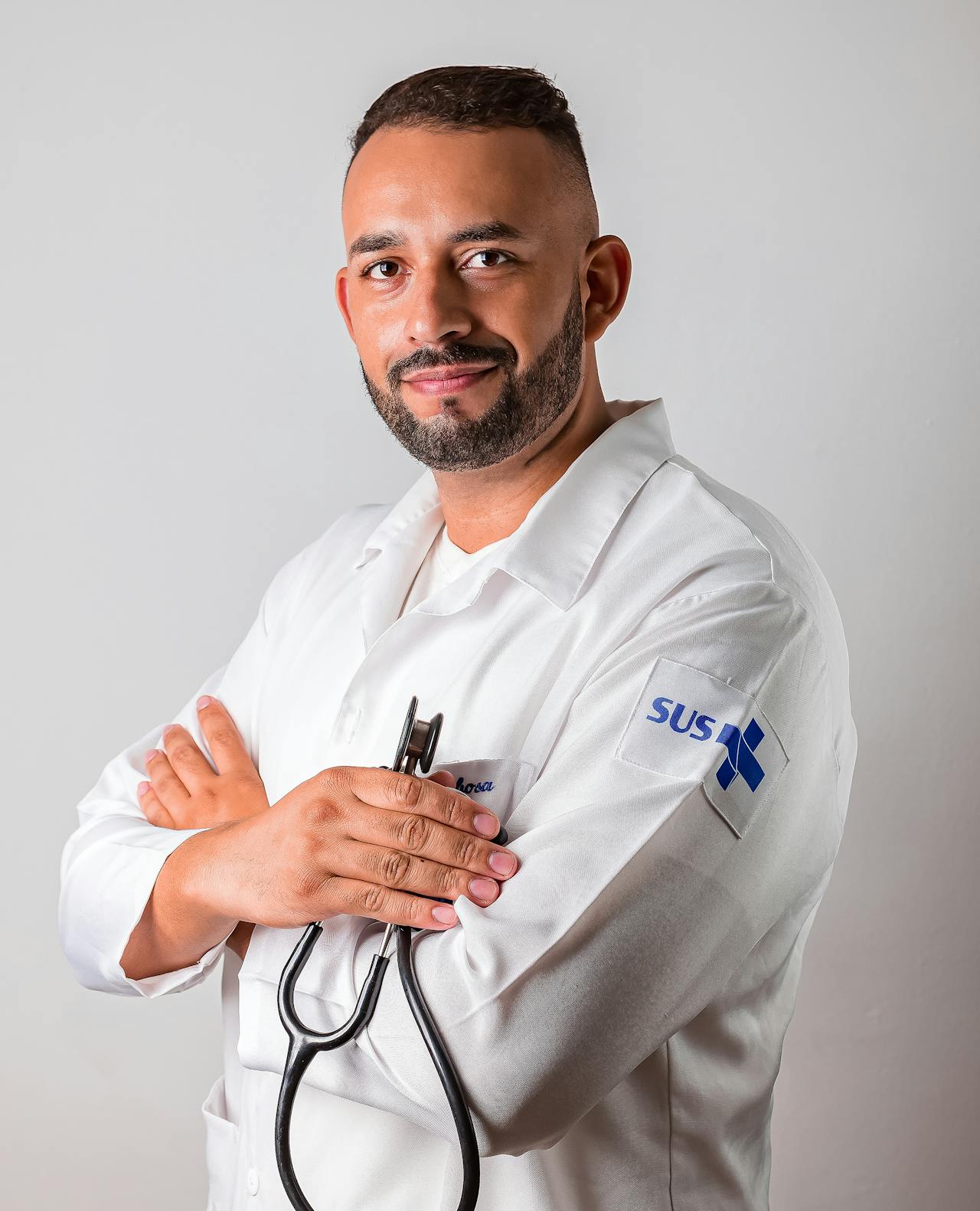
Dr. Haddad trained in radiology at the American University of Beirut — consistently ranked among the Arab world's top academic medical centres — before completing a fellowship in cardiovascular imaging at McGill University Health Centre. His clinical focus has always been on what imaging reveals about ageing that blood markers cannot: visceral adipose tissue distribution, coronary artery calcium scoring, and carotid IMT.
At Smart Santé he oversees the imaging layer of every comprehensive assessment — DEXA body-composition scanning, coronary artery calcium (CAC) scoring, carotid intima-media thickness (IMT) measurement, and the abdominal MRI visceral fat quantification available in the Elite Longevity programme. His view: the imaging tells you where you are; the biomarkers tell you why.
Dr. Haddad publishes in cardiovascular radiology and has been invited to present at the European Congress of Radiology on body-composition predictors of metabolic risk in adults over 45. He is equally at home in Arabic, French, and English, which he describes as useful when reviewing a patient's international scan history.
Areas of Expertise
- DEXA Body Composition Scanning
- Coronary Artery Calcium (CAC) Scoring
- Carotid Intima-Media Thickness (IMT)
- Visceral Adipose Tissue Quantification
- Cardiovascular Imaging
Education & Credentials
- MD — Université Saint-Joseph de Beyrouth
- Radiology Residency — American University of Beirut Medical Center
- Fellowship in Cardiovascular Imaging — McGill University Health Centre, Montreal
- MD, Université Saint-Joseph de Beyrouth
- Radiology Residency, American University of Beirut Medical Center
- Fellowship in Cardiovascular Imaging, McGill University Health Centre
Languages Spoken
Arabic (native), French (native), English (fluent)
A Note From Dr. Karim Haddad
"The imaging tells you where you are. The biomarkers tell you why. Together they give you a map that is precise enough to act on."